

In early July 2025, the name Soham Parekh shot to global prominence after Mixpanel co-founder Suhail Doshi warned Silicon Valley on X about an Indian engineer allegedly working three to four full-time startup jobs simultaneously without disclosure. Within hours, dozens of founders and hiring managers confirmed they’d hired—and quickly fired—Parekh upon uncovering his moonlighting scheme. The story has ignited fierce debates over remote-work ethics, hiring oversight, and the limits of hustle culture.
The Spark: A Public PSA on X
On July 2, 2025, Suhail Doshi posted: “PSA: there’s a guy named Soham Parekh (in India) who works at 3-4 startups at the same time. He’s been preying on YC companies and more. Beware. I fired this guy in his first week and told him to stop lying/scamming people. He hasn’t stopped a year later”.
- His X thread racked up over 20 million views.
- Doshi shared Parekh’s purported CV, questioning “probably 90% of it is fake” after many listed links went dead.
- The warning prompted immediate responses from other founders who described eerily similar experiences.
This initial exposé laid bare a loophole in remote hiring: founders presumed integrity without robust background checks or concurrent-employment safeguards.
Startups Caught in the Web
At least six early-stage ventures have publicly recounted dealings with Soham Parekh:
- Playground AI (Mixpanel spin-off): fired him within days upon discovering he’d taken other offers.
- Lindy: CEO Flo Crivello hired him, then sacked Parekh the same week after seeing Doshi’s post.
- Antimetal: Parekh was their first engineering hire in 2022, let go once moonlighting surfaced.
- Sync Labs, Pally AI, Mosaic, Cluely: each either interviewed or onboarded him, only to part ways amid suspicion.
These accounts highlight a consistent pattern: Parekh aced technical interviews and impressed in trial projects but then struggled to deliver on one company’s work while balancing others.
The Meme-Fest and Media Frenzy
Silicon Valley’s online communities turned Parekh’s saga into instant meme fodder. Even LinkedIn CEO Reid Hoffman joined the fray with playful jabs at Parekh’s multi-startup exploits.
- Memes joked that “Microsoft’s 9,000 layoffs were all Soham Parekhs” or that he was “running for mayor of New York, Boston, and LA.”
- Parody posts contrasted outrage over Parekh with uncontroversial multi-company roles held by tech luminaries.
This viral humor underscored tech’s double standards: simultaneous leadership at SpaceX, Tesla, and Neuralink provokes no backlash, yet an overseas engineer juggling startups triggers moral panic.
Parekh’s Credentials Under Scrutiny
According to a CV circulated by Doshi, Soham Parekh holds:
- Bachelor’s in Computer Engineering, University of Mumbai (GPA 9.83/10)
- Master’s in Computer Science, Georgia Tech (2022)
His resume lists senior roles at Dynamo AI, Union.ai, Synthesia, Alan AI, and a GitHub Open Source Fellowship—many tied to Y Combinator-backed ventures.
Founders praised his raw talent. One startup head noted, “He completed in an hour what took others three”—yet the same document came to symbolize systemic resume padding and identity obfuscation.
Parekh Speaks: A TBPN Interview
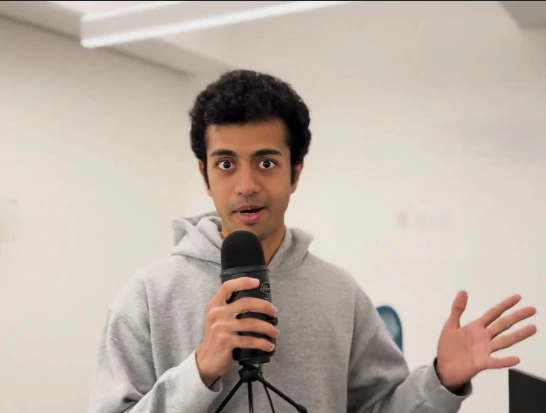
Facing mounting scrutiny, Parekh gave his side on the Technology Brother Podcast Network (TBPN):
- He confessed to holding multiple jobs since 2022, attributing it to dire financial hardship.
- He denied outsourcing code or using AI assistants, claiming to work “around 140 hours a week” himself.
- He expressed regret: “I’m not proud of my actions,” and asked privately, “Have I completely sabotaged my career? What can I do to improve?”
While some empathized with his personal struggles, many argued that transparency is non-negotiable in professional relationships.
Implications for Remote Hiring
The Soham Parekh saga serves as a cautionary tale for startups worldwide:
- Rigorous Background Checks Verify employment history, academic claims, and IP origins—even in trust-based early teams.
- Concurrent Employment Policies Mandate disclosures of side projects or additional roles in employment contracts.
- Technical and Cultural Vetting Balance coding tests with live pairing sessions and reference calls to spot inconsistencies.
- Leveraging Technology Use IP geo-tagging on meeting links and activity logs to confirm candidate locations and availability.
As remote setups become permanent fixtures, aligning oversight with trust will be key to preventing similar debacles.
What’s Next for Soham Parekh?
After private outreach from Doshi and other CEOs, Parekh hinted at a “second chance” if he comes clean. Meanwhile, investors and HR leaders are:
- Reviewing how many “Soham Parekhs” might be quietly moonlighting.
- Debating whether punitive public shaming or rehabilitative pathways better serve the ecosystem.
One recruiter even offered Parekh a new role, arguing that “everybody deserves a second chance” if they demonstrate accountability.
Conclusion
Soham Parekh’s rapid transformation from unnoticed engineer to viral tech anti-hero spotlights remote work’s growing pains. His story forces Silicon Valley to reconcile the pursuit of raw talent with ethical hiring standards. As startups refine their vetting processes, Parekh’s saga may catalyze deeper discussions on trust, transparency, and the true cost of the hustle.